With the continuous development of ports, offshore projects, and maritime transportation in Africa, more and more international customers are investing in marine equipment for different applications.
However, when arranging shipments to African countries, many buyers focus mainly on product quality and price while overlooking one important part of international trade — import documentation requirements.
Unlike some regions with unified import procedures, African countries have different customs systems and regulations. The required certificates may vary depending on the destination country, port, and type of cargo.
For exporters of large marine products such as pneumatic rubber fenders, foam filled fenders, and ship launching airbags, preparing the correct documents before shipment can help avoid unnecessary delays during customs clearance.
During our years of serving global customers, we have noticed that many African markets require specific cargo tracking or import certificates before goods arrive at the destination port. Some commonly encountered documents include CNCA, CTN, BIETC, BESC, and BSC.
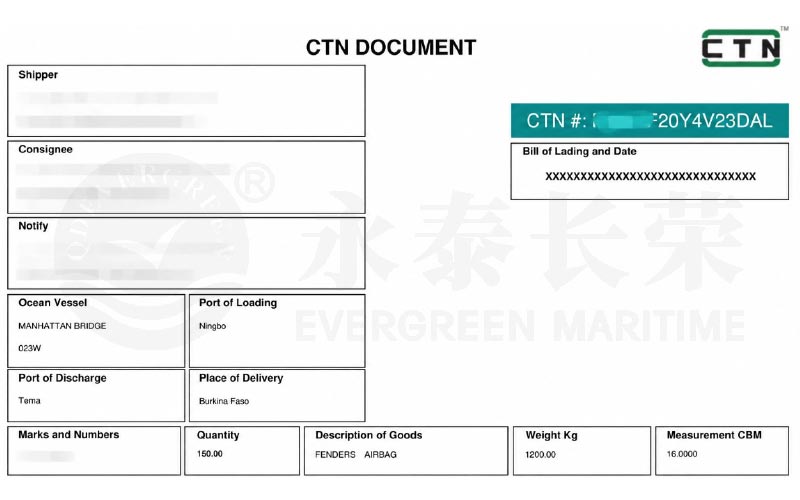
The requirements are different from country to country.
For example, some countries require CTN (Cargo Tracking Note) to provide advance shipment information, while certain West and Central African markets may request documents such as BESC or BIETC for cargo tracking and import supervision.
In other markets, importers may need to prepare BSC or CNCA documentation according to local regulations.
These certificates are not related to product quality itself. Instead, they are mainly used by local authorities for cargo information management, shipment tracking, and import control.
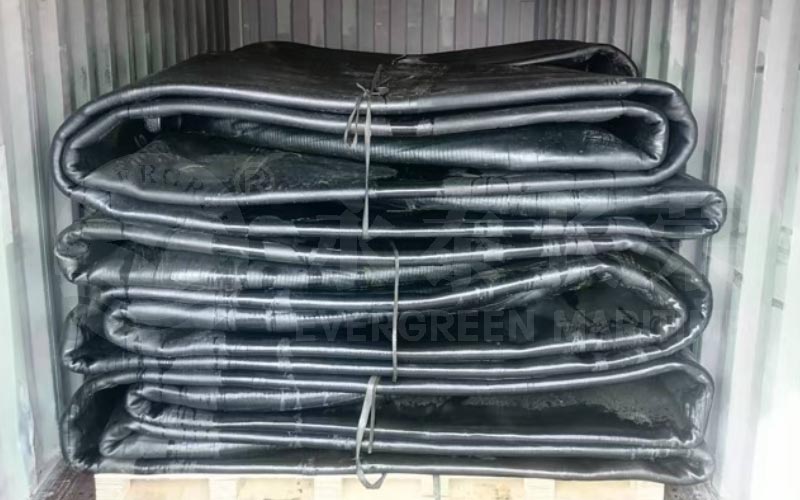
For marine products, early preparation is especially important. Compared with ordinary goods, products such as marine fenders, marine rubber airbags, and offshore equipment are usually large in size, heavy in weight, and require careful transportation arrangements.
Before shipment, confirming the latest requirements with local agents, customs representatives, or freight forwarders is always recommended. Different ports and updated regulations may influence the required documents.
At Qingdao Evergreen Maritime, we have more than 20 years of experience in manufacturing and exporting marine protection equipment to customers around the world.
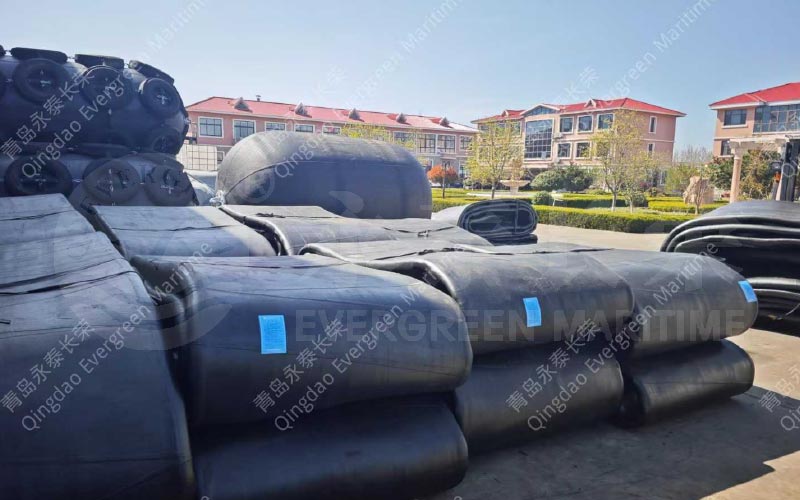
From product production and quality inspection to shipment preparation, we work closely with our customers to support a smoother delivery process.
Understanding the market is an important part of international cooperation. For African customers, choosing the right product is only one step — preparing the right documents is also essential for a successful project.